


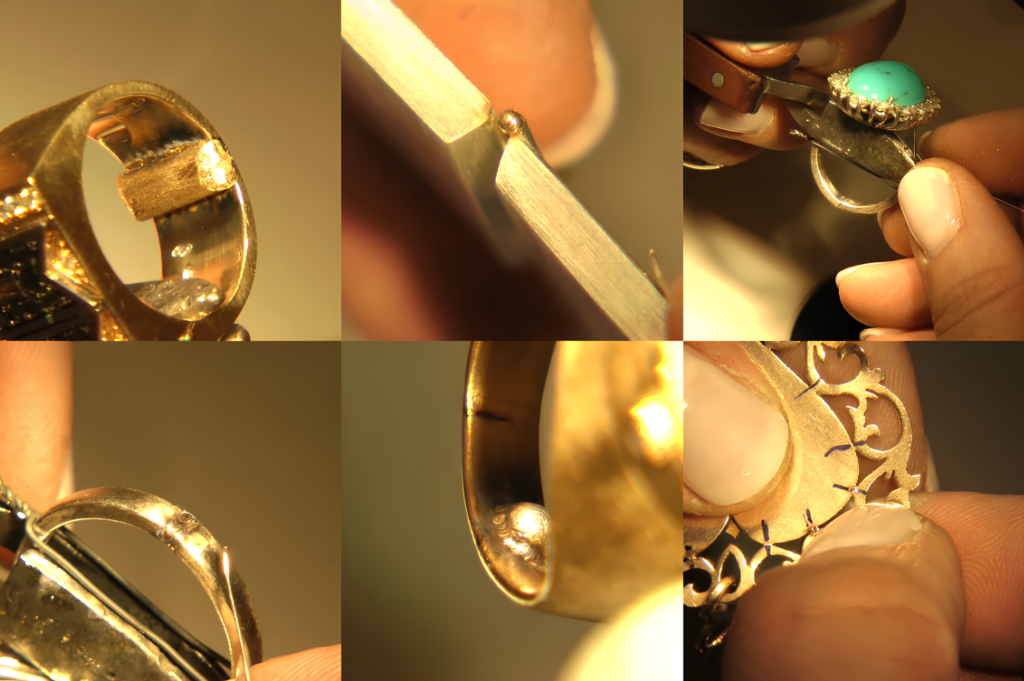
Every piece of fine jewelry carries a profound emotional weight that transcends its mere material value. Whether it is a vintage engagement ring passed down through generations, a delicate gold chain gifted on a monumental anniversary, or a pair of intricate platinum earrings, these adornments become physical manifestations of our most cherished memories. Over time, however, daily wear and tear inevitably take their toll on even the most well crafted items. Clasps begin to fail, prongs securing precious gemstones slowly wear away, and metal links can snap under sudden pressure. In the past, repairing these precious items was often a source of immense anxiety for owners. The thought of handing over a beloved family heirloom to be subjected to intense open flames and harsh chemicals was understandably daunting.
Traditional repair methods relied heavily on the use of hot torches to melt metallic alloys, a process that inherently carried significant risks. The extreme heat required to fuse metals could easily travel through the piece, threatening to scorch delicate gemstones, alter the temper of the metal, or completely destroy intricate antique detailing. It was a delicate dance between restoring the structural integrity of the piece and potentially causing irreversible cosmetic damage. For many years, owners of highly sensitive jewelry simply chose to keep their broken treasures safely locked away in boxes rather than risk the traditional repair process.
To truly understand the revolutionary leap in restorative craftsmanship, one must first comprehend the inherent limitations of conventional soldering techniques. When a traditional jeweler uses a torch, they are essentially applying a broad cone of intense thermal energy to a general area. Because metals like gold, silver, and platinum are excellent conductors of heat, the temperature of the entire piece rises rapidly. To protect sensitive stones like emeralds, opals, or pearls, the jeweler would often have to physically remove them from their settings before applying any heat. This removal process itself posed a massive risk of chipping or cracking the stones. After the soldering was complete, the stones would then have to be painstakingly reset, adding significant time, labor, and cost to a seemingly simple repair.
Furthermore, traditional solder is an alloy that is specifically designed to melt at a lower temperature than the base metal of the jewelry. While this allows the pieces to be joined without melting the entire ring or necklace, it often leaves a visible seam that can tarnish or discolor over time. The structural joint created by this lower karat filler metal is also inherently weaker than the original material, meaning the repaired area is more susceptible to breaking again in the exact same spot. These complex variables made restoring delicate or antique jewelry a highly stressful endeavor that required an extraordinary amount of manual intervention and compromise.
Fortunately, the world of fine jewelry maintenance has experienced a profound technological renaissance that has completely eliminated these historical anxieties. The introduction of focused light beam technology has fundamentally transformed what is possible at the jeweler bench. When searching for a reliable solution to mend your broken valuables, discovering the meticulous services of Laser welding/soldering annapolis mall provides an unparalleled level of precision and security. This modern approach utilizes a highly concentrated beam of monochromatic light to meld metals together at a microscopic level. Because the energy is delivered in incredibly rapid, precisely controlled pulses, the surrounding metal simply does not have enough time to absorb and conduct heat.
This phenomenal characteristic allows master technicians to work within fractions of a millimeter of the most heat sensitive gemstones without ever having to remove them from their original settings. You can literally hold the piece of jewelry in your bare hands while the light beam works its magic just inches away, completely unbothered by any thermal transfer. This capability alone has revolutionized the industry, allowing for the safe and efficient restoration of pieces that were previously deemed entirely unrepairable by conventional standards.
The fascinating mechanics of microscopic metal fusion
Delving deeper into the operational mechanics of this sophisticated equipment reveals exactly why it has become the gold standard for high end accessory restoration. Unlike the traditional method that relies on a foreign filler alloy to glue two pieces together, this advanced optical system is capable of achieving a true autogenous weld. This means that the intense, pinpoint energy actually melts the existing precious metal on both sides of the break, allowing them to flow together and solidify as a single, continuous, and unified structure. If any additional material is required to fill a gap or reinforce a worn area, the technician uses a microscopic wire of the exact same precious metal alloy. If they are repairing an eighteen karat yellow gold ring, they use eighteen karat yellow gold wire.
This ensures that the repaired section matches the rest of the piece perfectly in both color and chemical composition. Because there is no introduction of a weaker, lower melting point alloy, the resulting joint is vastly stronger than a traditional soldered seam. It will never tarnish at a different rate, it will never show a discolored line after years of wear, and it restores the original structural integrity of the piece to its absolute maximum potential. The operator executes this highly demanding work while looking through a powerful stereomicroscope, manipulating the energy pulses with a foot pedal while guiding the precious metal with steady, practiced hands.
The sheer versatility of this advanced microscopic joining method opens up a world of possibilities that extend far beyond standard ring sizing or chain mending. It is incredibly effective for repairing complex, multi layered designs where a traditional torch would indiscriminately melt surrounding decorative elements. Think of delicate filigree work, intricate mesh watch bands, or pieces that combine different metals with varying melting points. For example, joining a platinum setting to a yellow gold band was historically a jeweler nightmare due to the massive difference in how those two metals react to thermal energy.
The pinpoint accuracy of the light pulse makes this once impossible task routine. Furthermore, this method is an absolute lifesaver for restoring spring loaded mechanisms, such as the clasps on expensive necklaces or the hinges on vintage lockets. A traditional torch would instantly destroy the internal steel spring by stripping away its temper, rendering the clasp useless. The isolated energy delivery of the modern optical system completely bypasses the internal spring, seamlessly sealing the gold or silver casing without ever compromising the mechanical functionality hidden inside. This level of granular control is what separates a crude patch job from a true, invisible restoration.
Preserving your family legacy with unparalleled accuracy
Beyond traditional jewelry, the application of this highly focused thermal technology has proven exceptionally beneficial for the repair of premium eyewear. Designer metal eyeglass frames, often constructed from specialized alloys like titanium, are notoriously difficult to fix once broken. Titanium requires an inert gas environment and extreme localized temperatures to bond properly, making conventional soldering completely ineffective. The modern optical welding machine easily handles titanium, seamlessly fusing a broken bridge or a snapped hinge bracket back together in a matter of minutes. This process allows individuals to salvage expensive designer frames that would otherwise need to be completely replaced. The resulting weld is incredibly strong, easily withstanding the daily stresses of putting the glasses on and taking them off, all while leaving a microscopic joint that is virtually invisible to the naked eye. This translates into immense cost savings and immediate convenience for anyone who relies heavily on their custom prescription eyewear for daily life.
The peace of mind that comes from knowing your most treasured possessions are being treated with the most advanced, non invasive technology available is truly invaluable. The days of agonizing over whether to risk the beauty of a beloved family heirloom are thankfully behind us. The transition from the broad, destructive heat of the jeweler torch to the surgical precision of the focused light pulse represents one of the most significant advancements in the history of personal accessory maintenance. By seeking out professionals who have invested heavily in this modern equipment and the specialized training required to master it, you are actively ensuring that your precious memories are preserved flawlessly.
The ability to flawlessly reconstruct shattered gold, seamlessly reinforce worn platinum prongs without disturbing ancient diamonds, and bring cherished heirlooms back to life is nothing short of modern alchemy. When you trust your personal treasures to this level of sophisticated craftsmanship, you are not just fixing a broken object, you are securing a legacy. You are guaranteeing that the beautiful artifacts that represent your family history will continue to shine brightly, passing from one generation to the next with their beauty, strength, and sentimental value completely intact and beautifully preserved for decades to come.